
01952 412777
01952 412777
The galvanizers of street furniture since 1860
The street furniture industry is heavily influenced by local authorities and they are thought to account for around 80% of the total current market.
The market is said to be worth over £400m and the typical areas, where galvanizing is already part of the process, are forecast for growth over the next 5 years. Street furniture can include anything from simple benches, bins and railings to street lighting and camera mount columns, shelters and all sorts of signage.
Requirements often arise when local authorities need to replace damaged street furniture, but there are plenty of opportunities aside from like-for-like replacements. New build development, regeneration schemes and demand for improving the urban environment is still strong and street furniture is always required – despite the vote to leave the EU. There is also a growing market for bespoke street furniture products, where the manufacturer is involved with the architect from the earliest stages of a project.
A large proportion of street furniture fabrications and installations are formed from steel. Aspects associated with the life and appearance of the steel, such as corrosion protection and an aesthetically pleasing finish, are high-value requirements for the industry – that’s where the process of galvanizing and W Corbetts’ specialist technique comes in.
Street furniture fabrications and installations that are subject to heavy weather conditions will need protection against corrosion. If they’re made from steel, then galvanizing should be the go-to process.
Due to atmospheric conditions over time, steel will rust without proper protection. The degree of rust depends on the environment – but as street furniture consists of various products and structures that will be permanently situated outdoors, rust is extremely likely.
Protective methods such as painting or plastic coating may be applied, but when damaged, sections of the steel will be exposed and start to rust. Hot-dip galvanizing offers a much more efficient and sustainable method of protection.
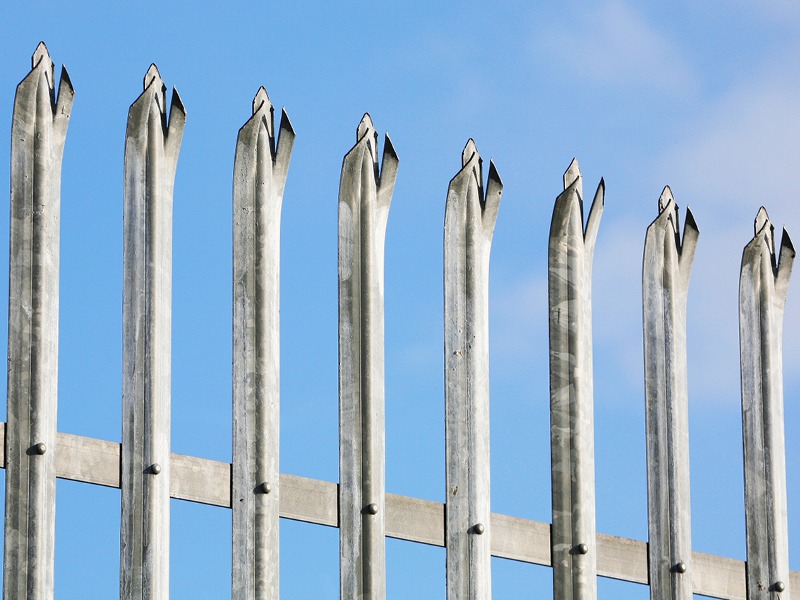


With hot-dip galvanization, every part of the steel structure is dipped and completely coated with molten zinc, meaning that every part of a galvanized item is protected – even the most inaccessible areas. No other coating applied to a structure after completion can provide the same protection.
The process offers numerous other benefits, including:
Local authorities and highway maintenance contractors are often working to stringent budget pressures and finding cost savings and maintenance reductions wherever they can will always be welcomed.
There is clearly an abundance of measurable benefits in the use of galvanizing for structural steel protection and the same benefits will be required in the future. Modernising metropolitan areas; increasing people’s access to bicycles and other hire-ready transport; as well as the electrification of vehicles, will all impact on the supporting infrastructure and therefore the street furniture market.
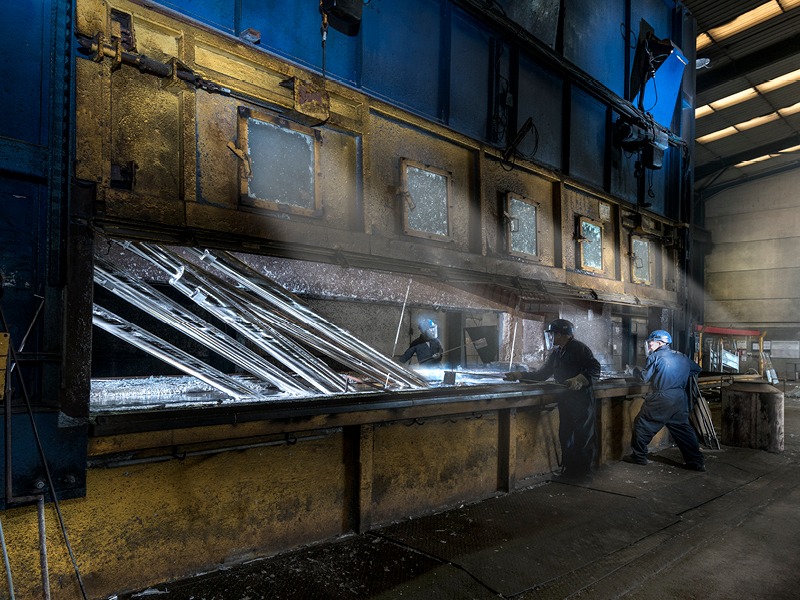
Corbetts is renowned for its finish to steel structures. The shiniest finish in the industry comes with close to 160 years’ experience in the highest quality standards.
In order to continually meet such high standards, the business operates a rigid quality assurance system at each stage of the galvanizing process.
Further testing is carried out to ensure the required thickness coating, conforming to the British Standard; BS EN ISO 1461:2009. Street furniture has never looked so elegant.
Cities are changing at a rapid rate. Schemes to inspire more cycling and walking are serious government-led initiatives, encouraged across the UK.
A Cycling and Walking Investment Strategy is currently in development at The Department for Transport and the government is very clear in its desire to increase the number of people using bikes. With continued growth in people taking to bikes instead of cars and other motorised transport, investment in infrastructure is not only required but critical to any tangible success.
Opportunities are vast. Cycle parking infrastructure; including cycle racks, cycle hubs, shelters and bollards, benches and signage, are all within the street furniture mix; they will go a long way in ensuring cyclists feel safe and confident in leaving bikes in various spots around the environment.
Without sufficient cycle parking, cyclists may not choose to use bikes, and therefore space to secure them to street furniture becomes a missed opportunity. Street furniture will play a major role in the success of any city transformation for better sustainability.
Another trend to shake up the infrastructure is the electrification of vehicles and the Internet of Things which together could accelerate the transformation of the city into the SMART city.
This kind of transformation brings with it an abundance of difficult challenges – challenges which must be addressed now if a plan to support the government’s electrification demands are to be successfully implemented.
Some cities in Europe, the US and China have trialled or are preparing for trials of innovative new street furniture items; one example is Lightwell’s ‘LightMotion’ which is designed to connect the city, charge electric batteries and provide street lighting and CCTV all at the same time.
The concept was initially piloted on an installation of 185 streetlights in Rotterdam and over the next 2-3 years, these types of systems are predicted to move fully into the public sphere. The opportunity for growth in this area, for both street furniture manufacturers and galvanizers, is obvious.
The arrival of new technology, integrated into city and everyday life, will impact the design and functionality of many items of street furniture, but one thing remains true: the qualities derived from the galvanisation of steel structures will still be a fundamental requirement.
Whether it’s the replacement of bins, railings or signage, the installation of new structures to secure bikes, or looking to future requirements in an ever-changing city infrastructure, galvanizing plays its crucial role.
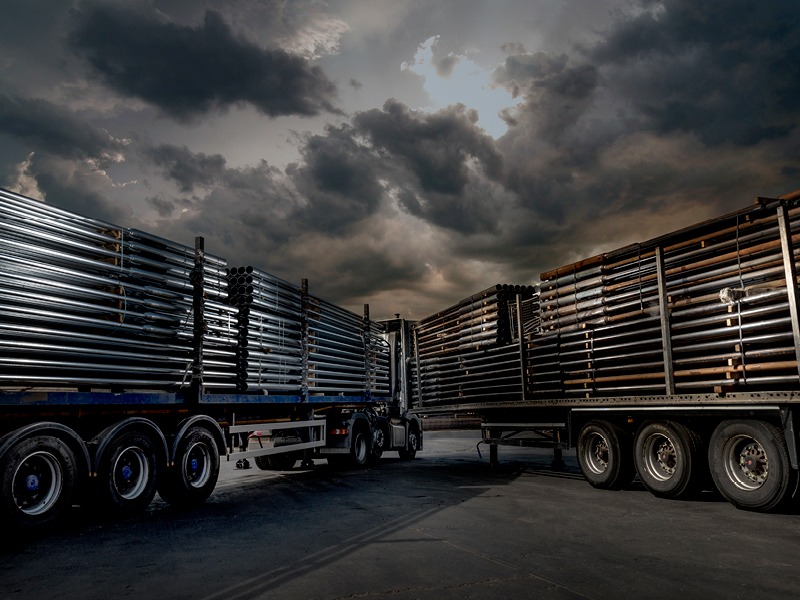
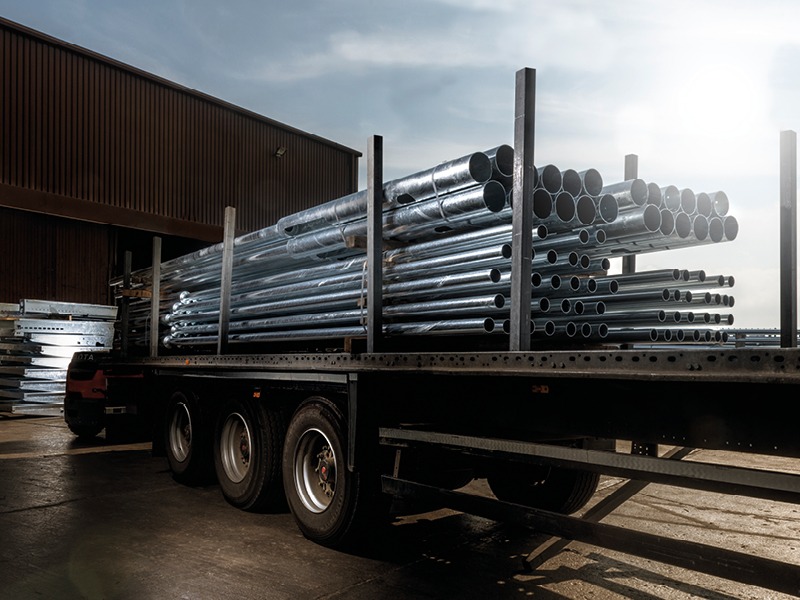
Corbetts is the largest independent galvanizer in the UK, based in Telford, Shropshire at its purpose-built facility, where its extensive fleet can reach anywhere in the country with the minimum of fuss. Each galvanizing bath (measuring 5.5m by 1.4m by 3.2m and 7.6m by 1.4m by 3.2m respectively) grants the business the ability to double dip material up to a length of 14 metres.
Contact Corbetts about your specific street furniture project and see how galvanizing can appease an abundance of business challenges.
Keep up to date with the latest developments at Corbetts the Galvanizers and join us on LinkedIn.

In addition to our general galvanizing offer, we also have in-depth experience and expertise in the following key specialities.


